
Over the last few weeks, there has been speculation that the countries of Argentina and Brazil are together planning on creating a currency union in Latin America.
We’ll take a look at this potential new currency in more detail below.

A history of currency volatility…
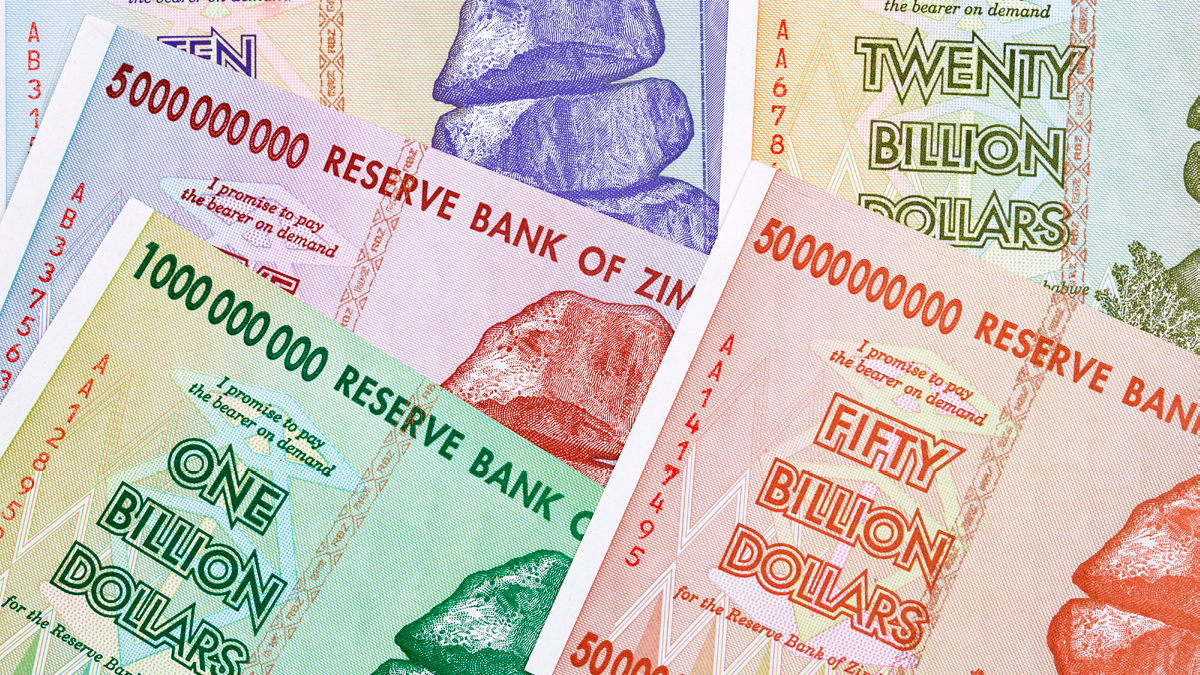
South America is used to new currencies. Replacements and re-denominations have taken place time and time again over the last couple of centuries. All South American nations have fallen prey to high inflation and economic crises. Argentina has had several versions of the Peso and the Brazilian real has yo-yoed in value over the last few decades (read more here).
At present Argentina is set to see 90% inflation this year and the Brazilian economy is currently in a period of stagnation. It’s no surprise therefore that the powers that be in these nations are looking for something new to help stabilise and revive their economic situation.
The idea behind the ‘Sur’
Argentina and Brazil are the largest countries in South America. They share many ties and have a heavily interconnected trading relationship. At present though, this is complicated by the fact that most transactions have to use the US Dollar as an intermediary.
The big idea is to run a new proposed currency alongside the Real and Peso, pegging the currency at a fixed rate for both currencies. This is hoped to create seamless trade and bolster the economic ties between the two countries.
In the future the currency could then replace the countries respective domestic currencies and other Latin American countries could potentially join in. The working name for the currency is ‘Sur’ simply because this word means ‘South’ in Brazilian Portuguese.

A realistic prospect?
The proposal has been discussed many times over the years and then gone nowhere. The reason it has raised its head again in the last few weeks is because Brazil’s newly elected President and his Finance Minister are both known to support the idea.
The practical application of creating the ‘Sur’ though is beset with difficulties. Firstly the Brazilian and Argentinian economies, whilst both struggling, have fundamentally different structural problems. What works in one country to improve the economic situation doesn’t necessarily work in the other.
Secondly, the idea is currently one only supported by the political left. At the moment both countries have left-wing leaders, however Argentina is facing elections this year which could see a more right-leaning government elected and the Brazilian legislature has a conservative majority. Any shift in the ideological outlook of one of the country’s governments could see the project dismissed and put back on the shelf. No new progress will be made until next year when the political landscape becomes more clear in both countries.