

Kroner currencies around the world

Krone/Kroner/Krona is a Nordic translation of the Latin word ‘Corona’ which means Crown. This has been the name for multiple historic currencies in Scandinavia. 

Currently, DenmarkNorwaySweden and Iceland all use a form of this word as their currencies name. There is also a variation, Koruna, which is the name of the currency of the Czech Republic.

Below we’ll take a look at the five currencies who share the name Kroner.

Czech Koruna (CZK)

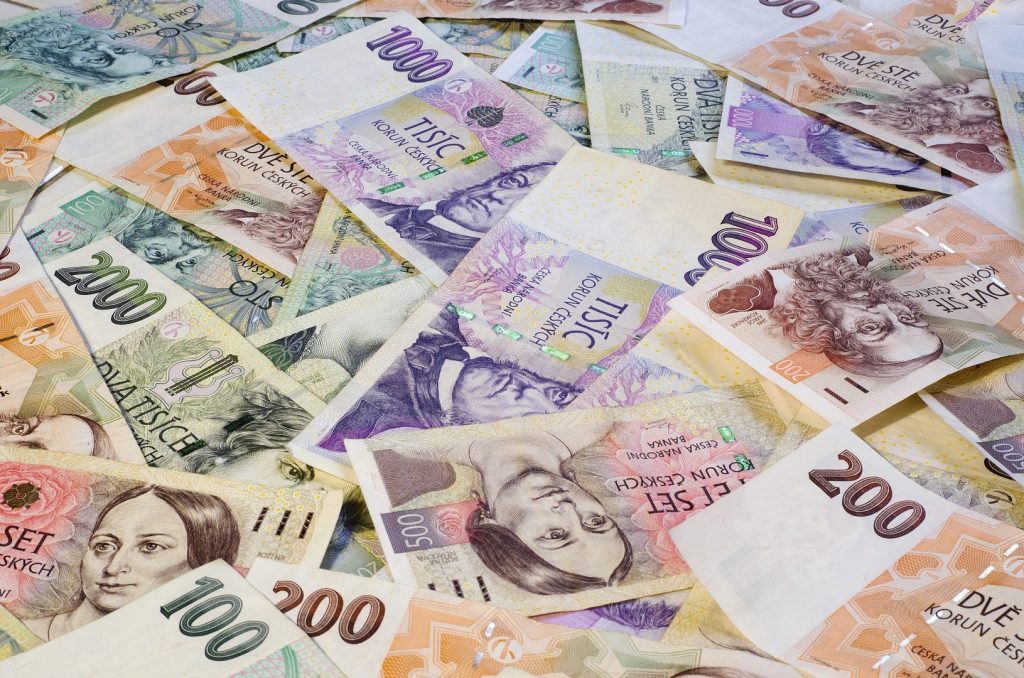
The Koruna has been the name of multiple Czech currencies. The current iteration was introduced in 1994 following the dissolution of Czechoslovakia. The currency was originally named after the crowns worn by Bohemian kings.

You can read more on our dedicated CZK currency profile.

Danish Krone (DKK)

The Danish Krone is the official currency of Denmark, as well as the territories of Greenland and the Faroe Islands. The Krone was introduced in 1875, replacing the former Danish currency, the rigsdaler.

You can read more on our dedicated DKK currency profile.

Icelandic Króna (ISK)

For a long time, Iceland was a part of the Kingdom of Denmark. Therefore its currency was the Danish Krone. When Denmark took part in the Scandinavian Monetary Union, so did Iceland. 

The Scandinavian Monetary Union was dissolved at a similar time to the granting of Icelandic independence and therefore Iceland chose to introduce its own currency.

Krónur is the Icelandic variation of the Danish word Krone.

The currency was devalued in 1981, leading many academics to start referring to today’s currency as the ‘second Krónur.’ The currency is managed and issued by the ‘Seðlabanki Íslands’ or in English, the Central Bank of Iceland, which is based in the capital Reykjavik.

Norwegian Krone (NOK)

The Norwegian Krone was introduced in 1875, replacing the Norwegian speciedaler at a rate of four kroner to one speciedaler. Like many other Kroner currencies, it is subdivided into 100 ore.

You can read more on our dedicated NOK currency profile.

Swedish Krona (SEK)

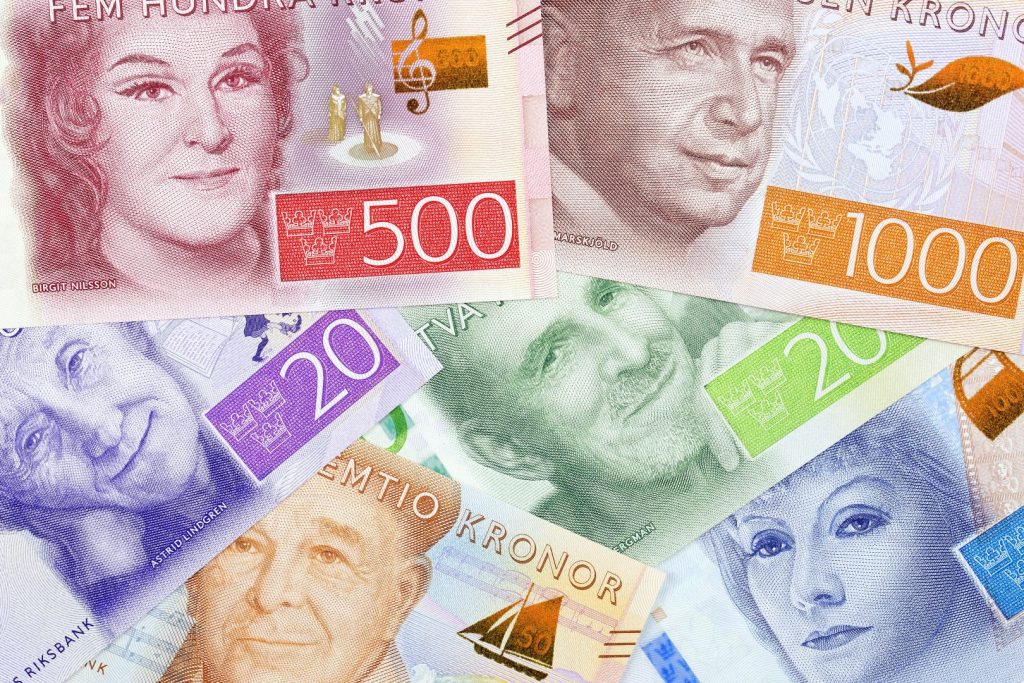
Like its other Scandinavian neighbours, Sweden also uses a Krona. The first Swedish coins were minted in the 13th century but it wasn’t until 1873 that a decimal system was introduced, with 100 ore to the Krona. 

You can read more on our dedicated SEK currency profile.

Latest Blog Posts:

Initial reflections on the US Mid-term elections

Initial reflections on the US Mid-term elections

Last Tuesday the US went to the polls in a set of major elections. Voters were choosing a new House of Representatives, a third of the Senators and many state-level offices.  Despite the President not being on the ballot, these elections received worldwide attention because their outcome could have a…

Japan’s sluggish economy and the Yen

Japan’s sluggish economy and the Yen

For decades the Japanese Yen has been seen as a ‘safe-haven’ currency. Japan and its economy are world-leading, regularly appearing in the top three on lists of economic strength indicators (after China and the US.) However, for the last few years, even before Covid, the Japanese economy and its currency…
Who actually sets interest rates around the world?

Who actually sets interest rates around the world?

Given the ongoing economic crises in various countries around the world, attention at the moment is rightly more focused on interest rate decisions than in normal times.  The process for raising or lowering interest rates varies from country to country. For some, it’s a pretty simple decision made by the…

1 16 17 18 19 20 30

Discover more from Finseta

Subscribe now to keep reading and get access to the full archive.

Continue reading

Sonny Hellmers

Senior currency specialist