
Shilling currencies around the world

The origin of the term Shilling is debated. Some believe it is based on the Old English term ‘Scilling’ which meant 1/20th of a pound. It was used in the time of Charlemagne back in the 700s.

A shilling as a formal coin was first minted in 1500s England and in the Holy Roman Empire in the 1600s. It went on to become a currency in its own right in many of Britain’s colonies. It was also the name of two Austrian currencies named ‘Schillings.’

Shillings were removed from circulation in the UK following the decimalisation of Sterling in 1971 however four countries (all former British colonies) continue to use their own currencies named shillings.

Kenyan Shilling (KES)

The Kenyan Shilling was introduced in 1966. It replaced the ‘East African Shilling’ which was the common currency in the UK’s eastern African colonies.

The currency is divided into 100 cents, however, these are rarely used given the high rates of inflation in the country. The only sub-unit coin in circulation is the 50 cent which is still seen and used very infrequently.

National hero and first President of an independent Kenya, Jomo Kenyatta, features prominently on most of the coins and banknotes of the Kenyan Shilling. 

Tanzanian Shilling (TZS)

Like the Kenyan Shilling, the Tanzanian Shilling was introduced in 1966. It replaced the ‘East African Shilling’ which was the common currency in the UK’s eastern African colonies.

The currency is divided into 100 cents however these are no longer used. No coin or banknote is in circulation with this denomination. The largest banknote in circulation is the 10,000 TZS which features a prominent image of an elephant!

Somalian Shilling (SOS)

The Somali Shilling or ‘Shilin Soomaali’ is the currency of the Federal Republic of Somalia. The currency was introduced in 1960 following the independence and unification of British and Italian Somaliland.

Somalia has been decimated by civil war over the years and the currency is incredibly weak and not strongly regulated (due to institutional weakness). The US Dollar is therefore used informally in most transactions in the country.

Ugandan Shilling (UGX)

Like the Kenyan Shilling and the Tanzanian Shilling, the Ugandan Shilling was introduced in 1966. It replaced the ‘East African Shilling’ which was the common currency in the UK’s eastern African colonies.

The currency is divided into 100 cents however these have not been used since 2013 due to mass inflation. The largest banknote in circulation is the 50,000 UGX which is yellow/gold in colour and features a prominent image of a Gorilla!

Latest Blog Posts:

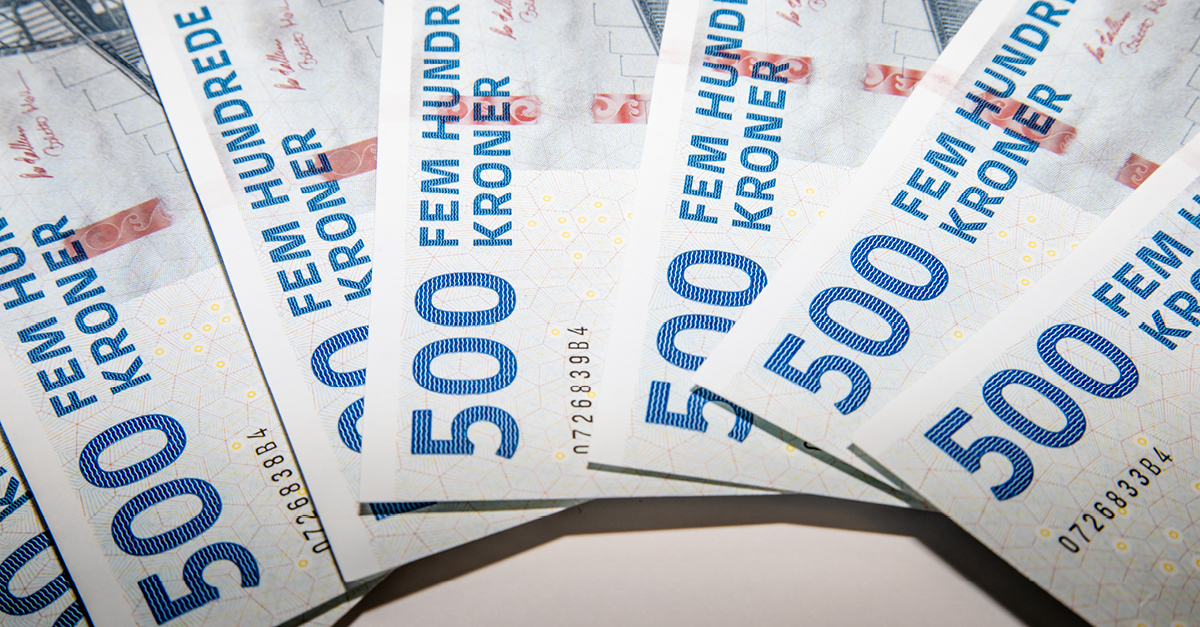
Kroner currencies around the world

Kroner currencies around the world

Krone/Kroner/Krona is a Nordic translation of the Latin word ‘Corona’ which means Crown. This has been the name for multiple historic currencies in Scandinavia.  Currently, Denmark, Norway, Sweden and Iceland all use a form of this word as their currencies name. There is also a variation, Koruna, which is the name of the currency…

How do Scottish banknotes work?

How do Scottish banknotes work?

We’ve all heard at least one story from a Scottish citizen visiting London or a befuddled tourist who can’t understand why the shop just refused to accept the currency a bank gave them. And why not? It’s a perfectly legitimate bank note, right?  ‘Well, It’s not legal tender in England!’…
Franc currencies around the world

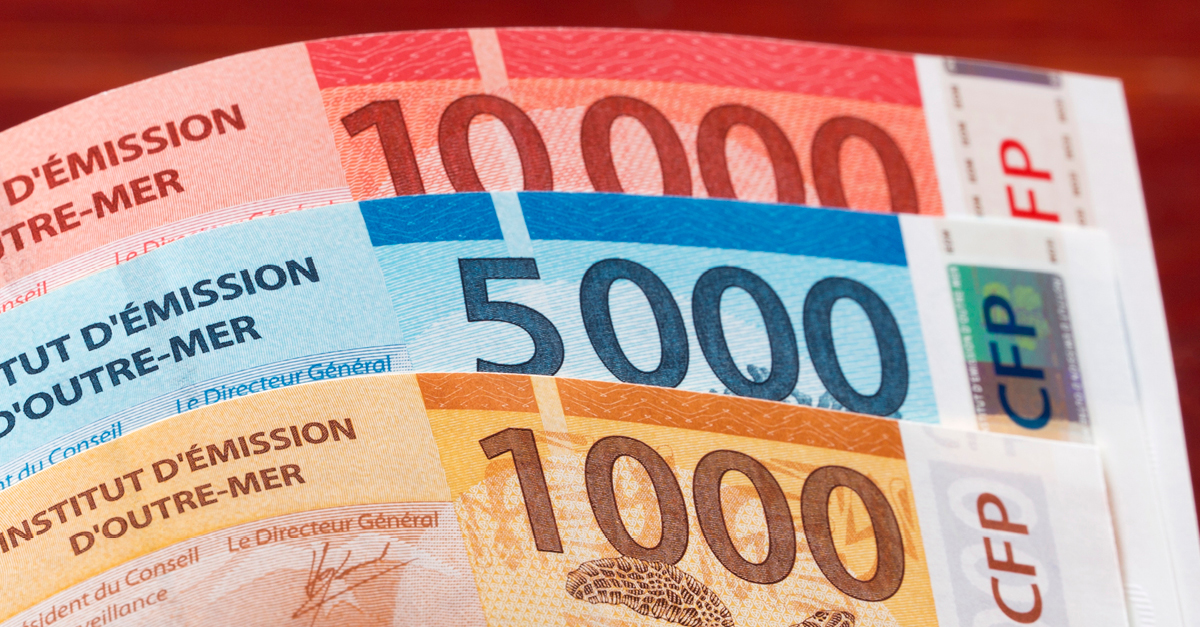
Franc currencies around the world

The origins of the term Franc, unsurprisingly, date back to medieval France.  The Franc was historically used as a term to denote various monetary amounts in France. Following the French Revolution, a decimalised Franc was introduced as the national currency. The Franc was exported around the world in the 1800s and…

1 10 11 12 13 14 30

Discover more from Finseta

Subscribe now to keep reading and get access to the full archive.

Continue reading

Sonny Hellmers

Senior currency specialist