

The origins of common currency names

Dinar

The Dinar is the name of a number of currencies, mainly in the Arab world. It is derived from the Latin word ‘Denarius’ which was the name of an ancient Roman coin. 

Many ancient Islamic nations used a form of Dinar, with the most famous being the Gold Dinar used by the Umayyad Empire in the 600s.

In recent history, the most notable Dinar was used in Yugoslavia from 1965 until its dissolution.

At present, nine current countries use a form of Dinar including Algeria, Bahrain, Iraq, Kuwait and North Macedonia. 

Dollar

When you think of a Dollar, you probably think about the USA.

Upon independence, the US Congress established the US Mint and declared the Dollar as the national currency in 1792.

The Dollar is not an English term though, it’s actually the anglicised version of the German word ‘Thaler’ which was a coin first issued in Bohemia in the 1500s.

The first Dollars to be used in the Americas were worth seven silver coins of the Spanish Empire.

There are currently well over twenty different currencies named ‘Dollar.’

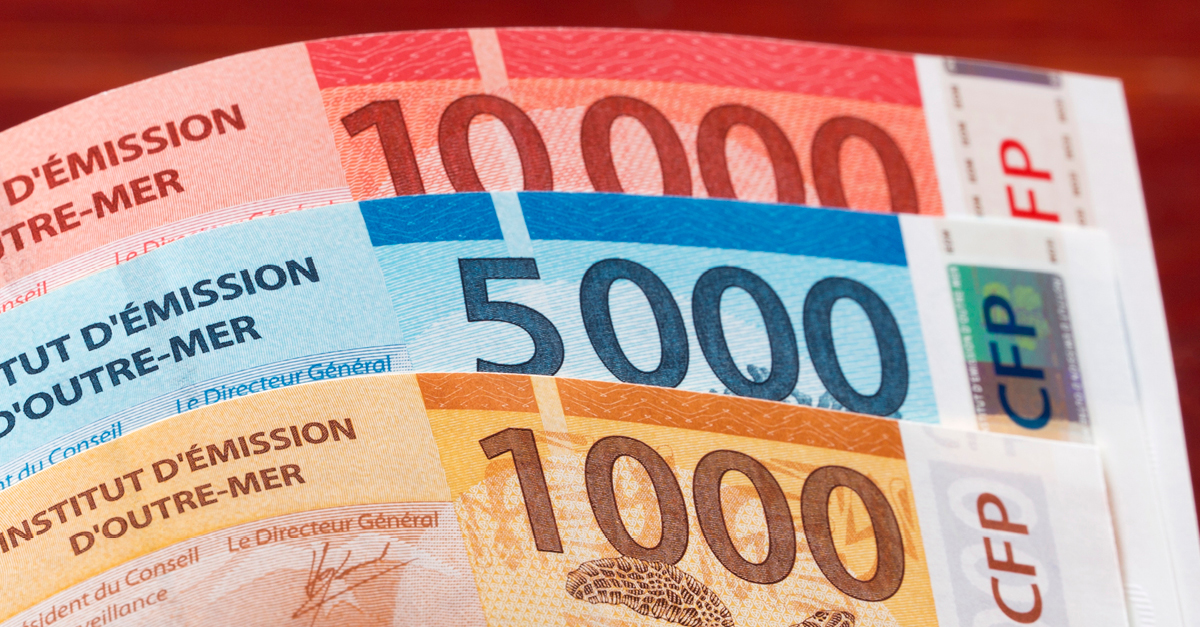
Franc

The origins of the term Franc, unsurprisingly, date back to medieval France

The Franc was historically used as a term to denote various monetary amounts in France. Following the French Revolution, a decimalised Franc was introduced as the national currency.

The Franc was exported around the world in the 1800s and many countries which were previously colonised by France now use this name for their own independent currencies. 

There are currently ten different currencies that share the name, the most famous of which is the Swiss Franc used in Switzerland and Liechtenstein.

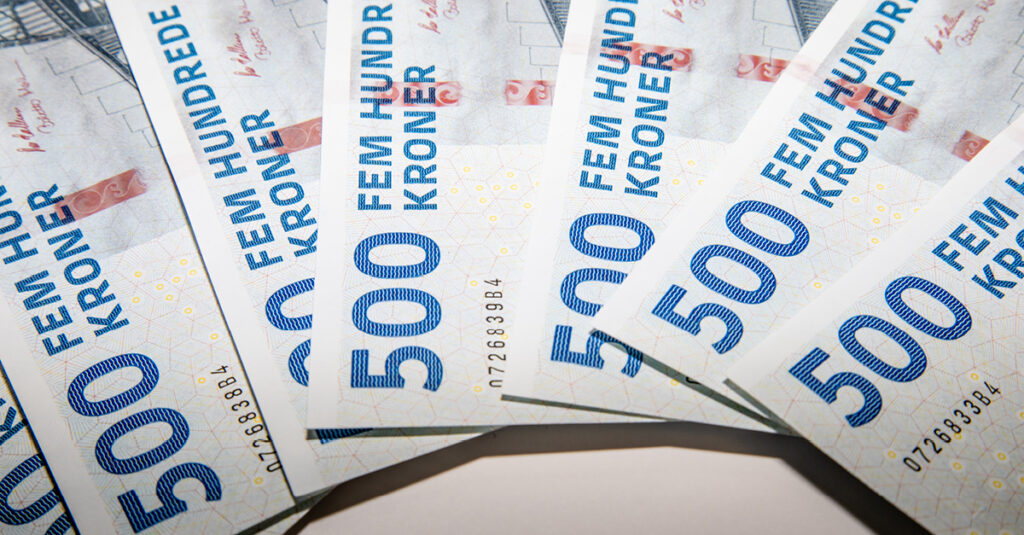
Kroner

Krone/Kroner/Krona is a Nordic translation of the Latin word ‘Corona’ which means Crown.

This has been the name for multiple historic currencies in Scandinavia. 

Currently, Denmark, Norway, Sweden and Iceland all use a form of this word as their currencies name. 

There is also a variation, Koruna, which is the name of the currency of the Czech Republic.

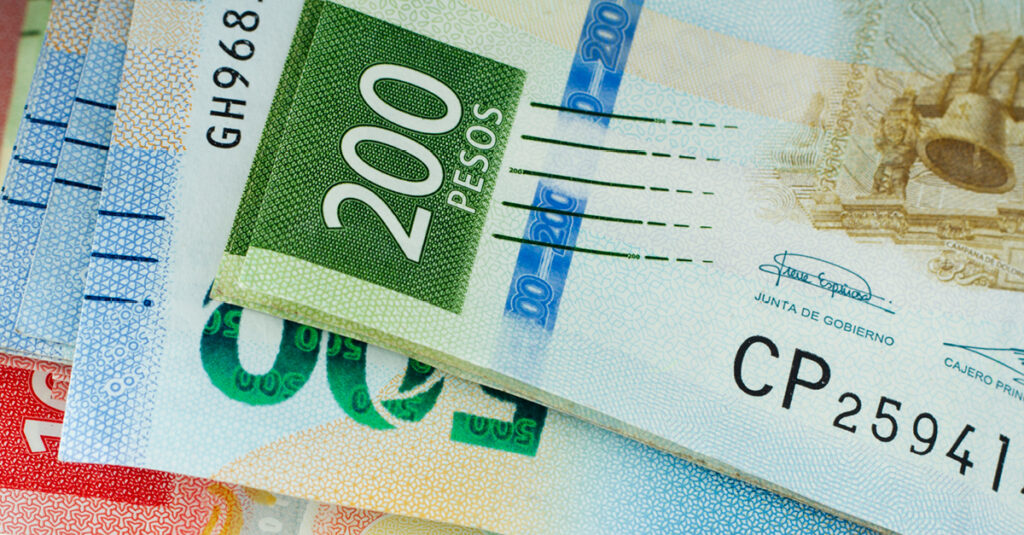
Peso

The origins of the Peso date back to the early Spanish Empire when the 8-real silver coin became known as a Peso. 

The word literally means ‘weight’ in Spanish.

The Peso is the name for many historic and current currencies in parts of the world that were once colonised by Spain. The most significant being Mexico and the Philippines.

Currently, eight countries have a Peso as their currency.

Pound

Despite being prevalent in the British Isles and the former colonies of the UK, you may be surprised to learn that the term ‘Pound’ actually originates in the Roman Empire.

The word Pound is based on the Latin word for a weight. Originally a Pound, therefore, was a weight of a wider currency. Think… a Pound of Sterling!

There are several countries that use the name Pound for their currency including Sudan, South Sudan, Egypt, Lebanon and Syria.

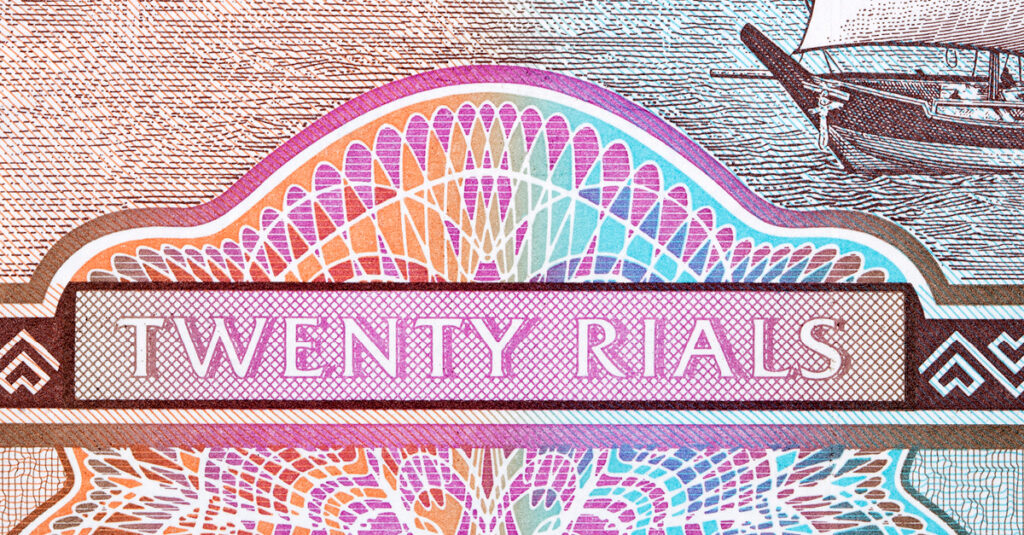
Rial

The Rial/Riyal name is based on the Latin term ‘regalis’ which literally means royal. 

It shares a similar etymology to the ‘Real’ currency which can be found in Brazil and previously in Spain and Portugal which used the currencies called Real for many hundreds of years.

Several Rial currencies use a Dinar or Dirham as a subunit. Including the Brazilian Real, six countries use the Riyal in their currencies name.

Rupee

The Rupee dates back thousands of years. It is thought to be based on the Sanskrit word rūpya which, when literally translated, means a round silver coin. 

The rūpya was used in Ancient India and has been the name for a multitude of currencies on the Indian subcontinent.

It was the name of various British colonial currencies in the region and is currently the name of several currencies stretching from India to Indonesia.

Shilling

The origin of the term Shilling is debated. Some believe it is based on the Old English term ‘Scilling’ which meant 1/20th of a pound. It was used in the time of Charlemagne back in the 700s.

A shilling as a formal coin was first minted in 1500s England and in the Holy Roman Empire in the 1600s. It went on to become a currency in its own right in many of Britain’s colonies. It was also the name of two Austrian currencies named ‘Schillings.’

Shillings were removed from circulation in the UK following decimalisation in 1971 however four countries (all former British colonies) continue to use their own currencies named shillings.

Yen

The Yen, Yuan and Won all share the same roots which were colloquial words for ‘Round’ that referenced the round silver dollar coins of the Spanish Empire.

Historically, Spain had dominated this part of the world and their currency had over time become commonly used in vast parts of Eastern Asia. 

The first formal Yen currency was established in Japan back in 1871. China followed suit in 1889 with its currency the Yuan and Korea established the Won in 1902.  

At present, there are four countries that use a form of Yen.

Latest Blog Posts:

Pounds, Lira and Shekels Old & New: the multiple currencies of Israel

Pounds, Lira and Shekels Old & New: the multiple currencies of Israel

The State of Israel was founded over 74 years ago in May 1948. In that time it has seen several economic crises, with many of its oldest citizens having been through four separate official currencies in their lifetime. Below we’ll take a look at the different currencies that have been…

The Big Idea: Where does money come from?

The Big Idea: Where does money come from?

The value of money is an idea instilled within everyone from a young age. We are taught that we should get a good education and work hard so that we can earn enough money to live our lives how we choose.  But often we don’t question why this is important. …

Close-up on the currencies of the BRICS

Close-up on the currencies of the BRICS

In last week’s article we looked at who the BRICS countries are and why they are considered the world’s most significant upcoming economies.  They all have high levels of productivity, large relatively young populations and are often manufacturing or production powerhouses.  This week we’ll look at these countries’ currencies, how…

1 14 15 16 17 18 25

Discover more from Finseta

Subscribe now to keep reading and get access to the full archive.

Continue reading

Sonny Hellmers

Senior currency specialist