
🇬🇧 Q1 Prospects Clouded by Data and Political Uncertainty
Last week, the Pound was on course for its largest weekly loss against the euro since early December, pressured by ongoing economic and political headwinds. GBP/EUR briefly dipped to 1.14 but recovered by Friday’s close, starting this week around 1.15. Meanwhile, GBP/USD remains relatively stable near 1.36 after a week of limited movement. Political uncertainty continues to weigh on GBP’s sentiment, with attention turning to the 26th February Gorton and Dent by-election, a key test of Labour’s traditional support base and Keir Starmer’s leadership.
Sterling remains under broader, longer-term pressure against both the Euro and the US dollar following weaker than expected growth data. The UK economy expanded by just 0.1% in Q4 2025, undershooting forecasts of 0.2%. Annual growth slowed to 1.0%, missing expectations of 1.2% and easing from 1.3% in the previous quarter. If key market-moving data fails to improve and confidence in Starmer weakens further, the first quarter could prove challenging for the UK.
🇺🇸 Cooling Inflation and Fading Exceptionalism Weigh on the Dollar
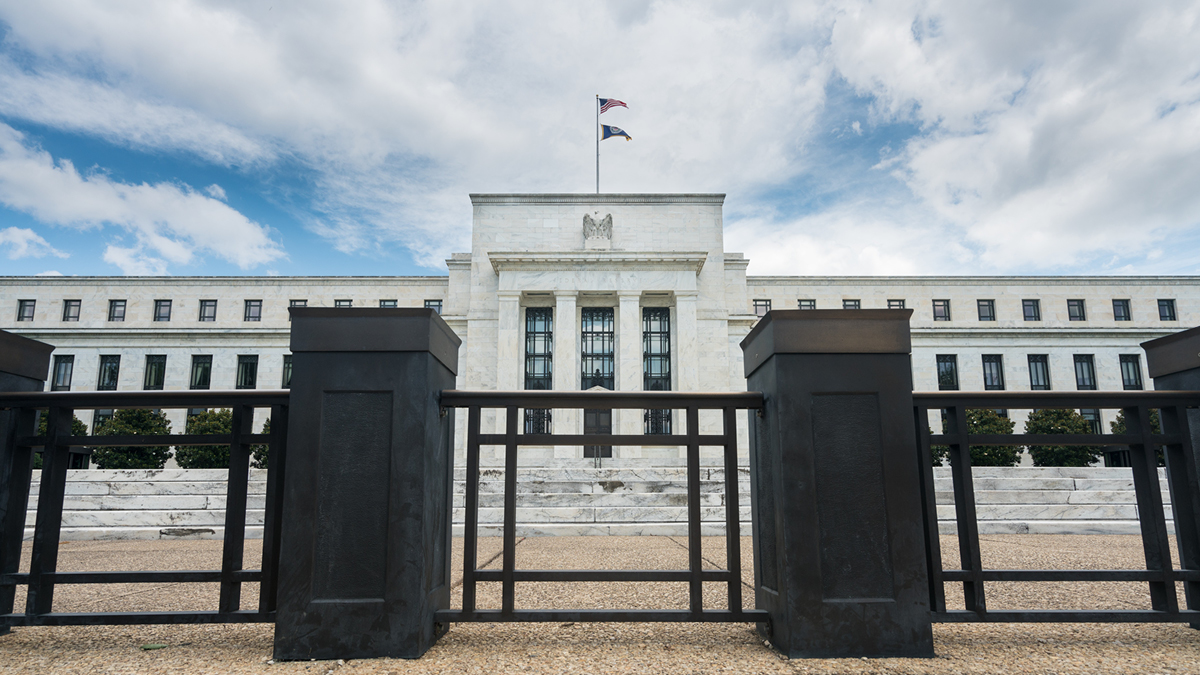
The USD is likely to remain under pressure through the rest of Q1 as inflation continues to cool, reinforcing expectations that the Federal Reserve will proceed with rate cuts in 2026 – a backdrop that typically weighs on the Dollar. Recent data underscores the disinflation trend. Annual US inflation eased to 2.4% in January, below expectations of 2.5%. Monthly inflation slowed to 0.2%, down from 0.3% in December and also under forecasts.
Meanwhile, annual core inflation, which excludes food and energy, fell to 2.5%. Together, these figures provide a clear fundamental argument for further USD softness. More broadly, a sharp sell-off in the US technology sector in recent weeks has prompted investors to reassess the narrative of American exceptionalism. This shift in sentiment is encouraging diversification away from US assets, adding another layer of pressure on the Dollar.
🇪🇺 Euro Resilience Strengthens Bullish EUR/USD Outlook
The Euro begins the week around 1.18 against the Dollar, following modest losses last week, but remains within reach of the 1.19 level. Broader market sentiment continues to favour EUR/USD to the upside, as doubts surrounding US exceptionalism persist and weigh on the Dollar. Supporting the Euro, the Eurozone ended 2025 with a solid trade surplus. Eurostat reported a €12.6bn goods trade surplus in December, highlighting the resilience of European exporters despite softer revenues and negotiating the volatilities of tariffs in key industries. This underlying external strength reinforces confidence in the Euro and supports its longer-term standing within the global reserve currency landscape.
This Week’s Market Moving Data
This week’s key market-moving data will come from the Eurozone, the US, and the UK. In the UK, attention will focus on Friday’s retail sales figures and the S&P Global business activity data. The Eurozone will also release key HCOB business activity readings on Friday, while the US rounds off the week with its latest GDP figures.
Friday 20th February
UK Retail Sales Data Release
UK Retail Sales data is a key indicator of consumer spending, measuring the value of goods sold by retailers directly to consumers. A strong reading is generally viewed as supportive of the Pound, signalling resilient consumer demand, while a weak reading can weigh on Sterling by raising concerns over slowing economic momentum.
Eurozone HCOB Business Activity Data Releases
The Eurozone HCOB business activity data is a key indicator of economic momentum, measuring activity levels across the manufacturing and services sectors. A strong reading is generally viewed as supportive of the Euro, signalling expansion and underlying economic resilience, while a weak reading can weigh on the single currency by raising concerns about slowing growth across the bloc.
US GDP Data Release
The US GDP release measures the growth or contraction of the world’s largest economy, serving as a key indicator of overall economic health. A strong reading typically boosts confidence in the US outlook and supports the Dollar, while a weaker than expected result can raise concerns over slowing growth and place downward pressure on the currency.