
What does the new German government mean for the Euro?

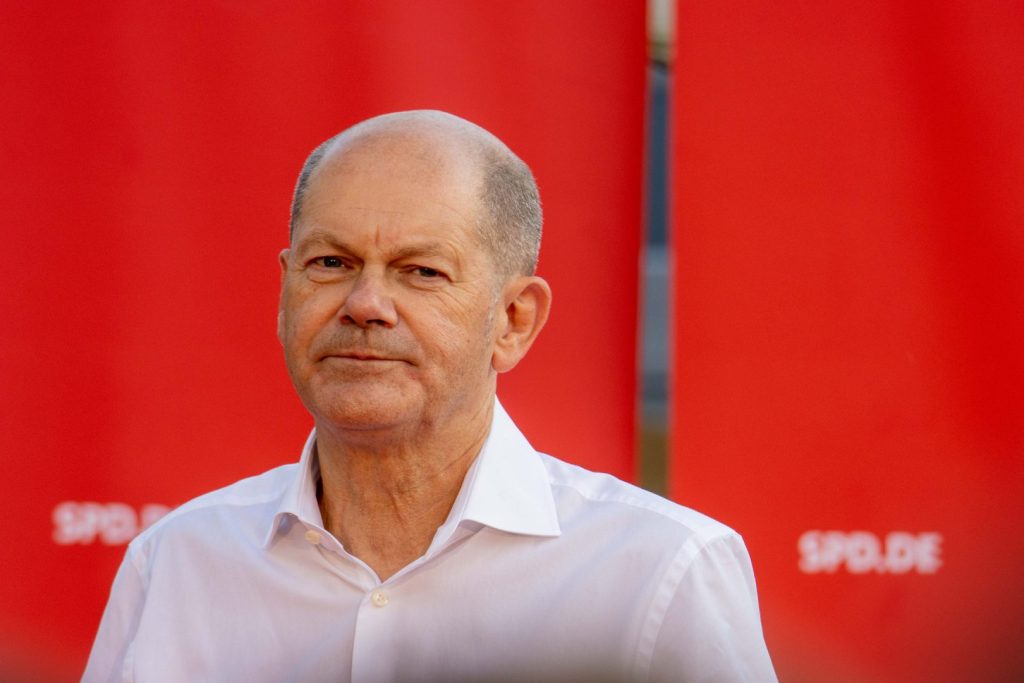
(New Chancellor Olaf Scholz)

Last Wednesday marked the end of an era in Germany. Not only did Angela Merkel end her tenure as Chancellor but also for the first time in 16 years, the conservatives (CDU) are no longer in government.

The new government is a mix of both continuity and change.

Olaf Scholz, the new Chancellor has been a leading figure in German politics for a number of years. He previously served as Merkel’s number two as both Vice-Chancellor and Finance Minister. He is a well-known politician to the German Bundesbank and the European Central Bank.

The government he leads though has a radically different makeup from any Germany has had before. It is made up of Scholz’s Social Democrats (SPD), the Greens (Die Grüne) and the free-market liberals (FDP). A ‘Traffic Light Coalition’ named after the three parties respective colours.

Reactions in the ECB

Within the main European institutions, Scholz is being welcomed and seen widely as a figure of continuity offering another steady pair of hands at the head of Europe’s largest economy.

He was welcomed by the ECB chief Christine Lagarde with exceptionally warm words and has been praised by key figures from across the Eurozone.

He already has a working relationship with EU President Ursula von der Leyen who both served together in Angelas Merkel’s Cabinet as Defence and Finance Minister’s respectively.

Throughout the election campaign, Scholz promoted a pro-euro message which was warmly noted in the halls of EU power. His trip to Brussels just two days after becoming Chancellor further emphasised his commitment to a strong Euro.

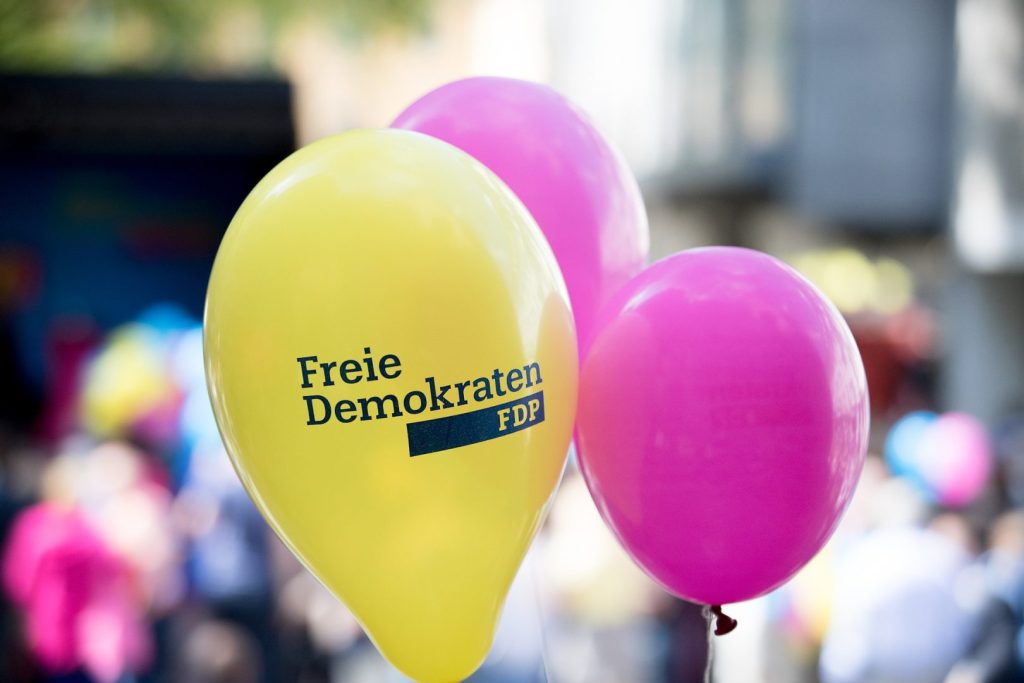
(The FDP are a free-market liberal party and the third party in the new government)

A free-market liberal in the Finance Ministry

One of the big changes following the new government formation is in Germany’s Finance Ministry: the Bundesministerium der Finanzen. It is now headed by the leader of the FDP: Christian Lindner.

Linder has repeatedly emphasised that his main focus is on stability tweeting:

In Europe and Germany, we’ll advocate solid public finances and limiting debt. Excessively high government deficits would restrict the ECB from fighting inflation if necessary”

A Finance Minister strongly committed to the stability of the Euro is widely welcomed in currency markets, as is the fact that the new finance chief has left the door open to potential changes to Eurozone fiscal rule changes.

Who will take Merkel’s place as the Eurozone’s informal leader?

The Eurozone itself has always been in an awkward situation when it comes to leadership.

Few question that during her tenure, Merkel was in de facto control of the Euro currency, steering events behind the scenes and taking the lead through the various crises the bloc has faced.

The new Chancellor won’t necessarily inherit this informal position though. The Guardian published an interesting article a few months ago titled Draghi, Scholz or Macron? Merkel’s crown as Europe’s leader up for grabs discussing exactly this.

Merkel’s shoes are big ones to fill, yet realistically for the Euro itself, whichever figure emerges as the de facto leader of the bloc is of little significance given that all the key contenders are strongly committed to ensuring both the stability and success of the currency.

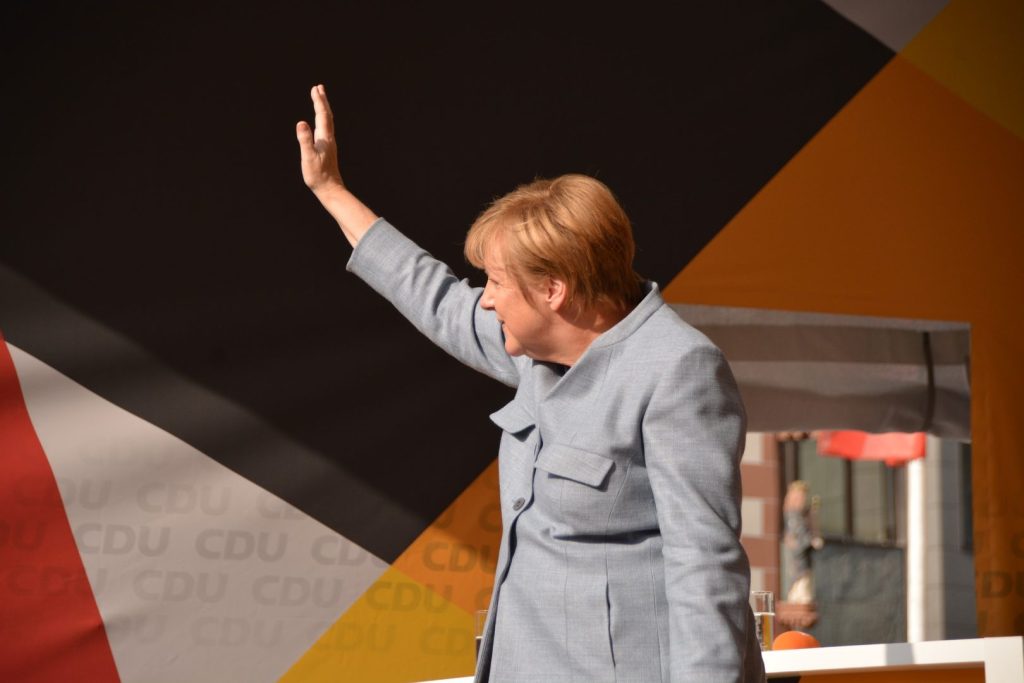
(Angela Merkel left office after 16 years as German Chancellor)

Latest Blog Posts:

Brexit and the Pound/Euro two years on

Brexit and the Pound/Euro two years on

By the time the breakfast TV shows went live on the morning of 24th June 2016, it looked like all the worst Brexit predictions were coming true. The Pound seemed to be in free-fall, it lost 8% of its value against the Euro in that one day. At the height…

The Turkish Lira currency crisis explained

The Turkish Lira currency crisis explained

Without a doubt the last 15 or so years have been a rough time for all the major economies of the world. From the Global Recession to COVID-19, it’s been a rollercoaster of a ride. Turkey however has had one of the most turbulent times of all. For a long…

2021’s best and worst performing currencies

2021’s best and worst performing currencies

(It’s been another great year for Renminbi) Doing well: Chinese Yuan It has been a really strong year for the Renminbi. Starting off the year at over 9 CNY to 1 GBP, the Chinese Yuan (CNY) has outperformed the pound. Over the course of the year, we have seen rates…

1 24 25 26 27

Discover more from Finseta

Subscribe now to keep reading and get access to the full archive.

Continue reading

Sonny Hellmers

Senior currency specialist