
If there is one thing that markets hate, it’s instability.
If they know change is coming, even if it’s potentially radical, it can be factored in, accounted for and the potential storm can be weathered.
A surprise however is never welcome.
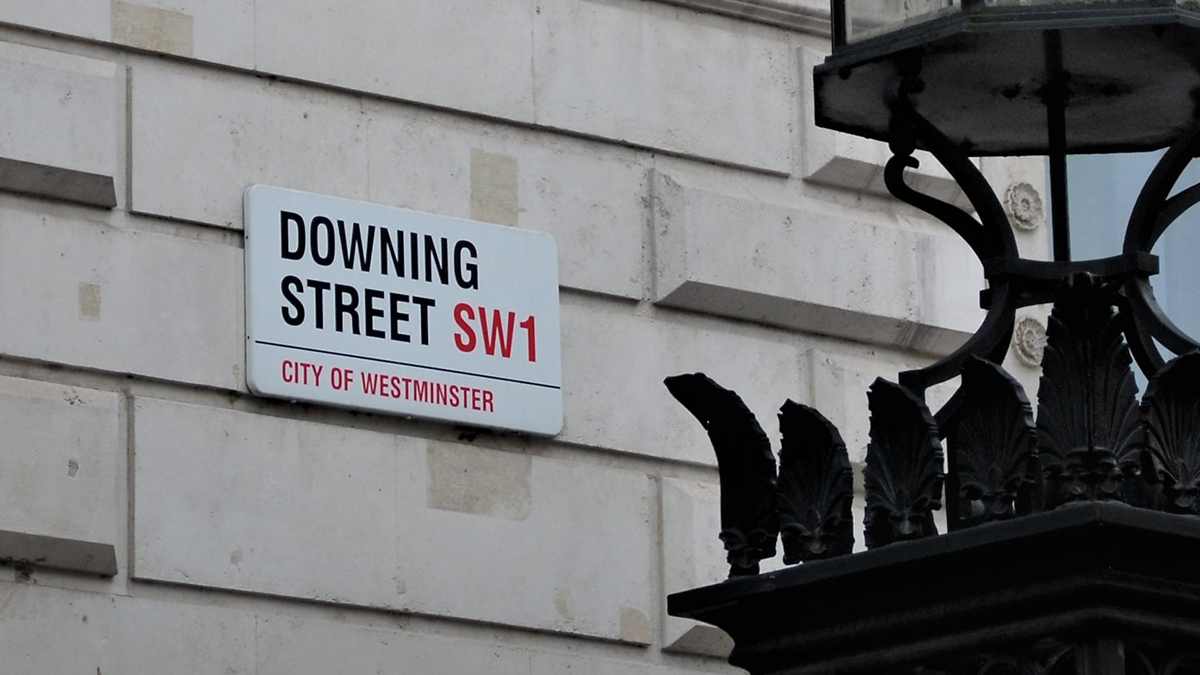
On Monday, the UK Prime Minister won a vote of confidence from his party, but only just. In the no-confidence vote over 40% of his own MP’s voted against him, declaring they had no confidence in his leadership.
This is not good news for any of the UK’s markets including Sterling.
Why?
Because despite the rhetoric of it now being time to ‘get on with the job’ and to ‘put the past behind us’ we can look to historical precedent to see they will probably do the exact opposite.
In this situation, a Government which has lost such a large amount of support tends to become increasingly preoccupied with shoring up their position and ensuring their own survival rather than proactively legislating and managing the day to day business of governing, something detrimental to good national economic health.
When a Government’s position is weak it has to continually put out fires and wade off challenges to both its authority and legitimacy.
The Prime Minister himself was the beneficiary of this exact type of situation just three years ago.
In 2019, Theresa May won a confidence vote (with more support than the current incumbent) and then spent six months with one eye constantly over her shoulder waiting for the next attempt to end her premiership. She eventually resigned and was subsequently replaced by the current Prime Minister.
Investors, commentators and analysts don’t know what lies ahead, but there will now be a growing fear that some sort of surprise could be sprung upon the nation, an action that will adversely affect the market.
The PM could fall and and be replaced by someone investors fear is incompetent to manage the economy or;
The PM could call an election where nobody would be the clear winner. (The second hung parliament this century) or;
The government could simply be undermined in Parliament and unable to pass any real legislation, making it a lame duck limping on until May 2024, the latest an election can be called.
It can be a bit of a cliche these days to say we are in unprecedented time, however once again we really are. The markets wait with bated breath for the next instalment of the almost Shakespearean saga of modern British politics.