
Kroner currencies around the world

Krone/Kroner/Krona is a Nordic translation of the Latin word ‘Corona’ which means Crown. This has been the name for multiple historic currencies in Scandinavia. 

Currently, DenmarkNorwaySweden and Iceland all use a form of this word as their currencies name. There is also a variation, Koruna, which is the name of the currency of the Czech Republic.

Below we’ll take a look at the five currencies who share the name Kroner.

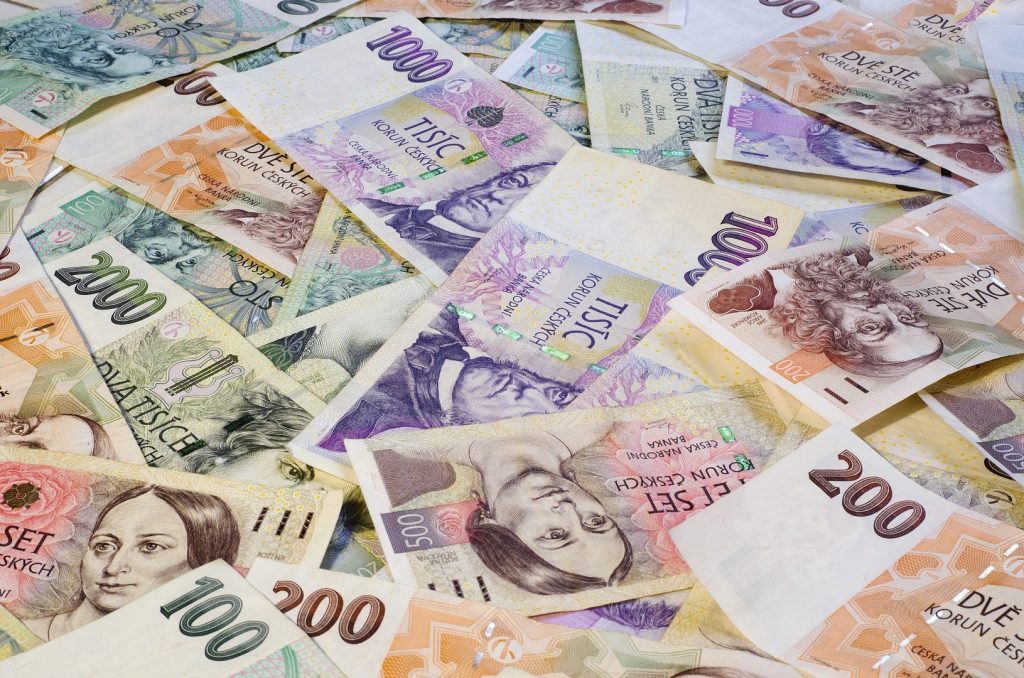
Czech Koruna (CZK)

The Koruna has been the name of multiple Czech currencies. The current iteration was introduced in 1994 following the dissolution of Czechoslovakia. The currency was originally named after the crowns worn by Bohemian kings.

You can read more on our dedicated CZK currency profile.

Danish Krone (DKK)

The Danish Krone is the official currency of Denmark, as well as the territories of Greenland and the Faroe Islands. The Krone was introduced in 1875, replacing the former Danish currency, the rigsdaler.

You can read more on our dedicated DKK currency profile.

Icelandic Króna (ISK)

For a long time, Iceland was a part of the Kingdom of Denmark. Therefore its currency was the Danish Krone. When Denmark took part in the Scandinavian Monetary Union, so did Iceland. 

The Scandinavian Monetary Union was dissolved at a similar time to the granting of Icelandic independence and therefore Iceland chose to introduce its own currency.

Krónur is the Icelandic variation of the Danish word Krone.

The currency was devalued in 1981, leading many academics to start referring to today’s currency as the ‘second Krónur.’ The currency is managed and issued by the ‘Seðlabanki Íslands’ or in English, the Central Bank of Iceland, which is based in the capital Reykjavik.

Norwegian Krone (NOK)

The Norwegian Krone was introduced in 1875, replacing the Norwegian speciedaler at a rate of four kroner to one speciedaler. Like many other Kroner currencies, it is subdivided into 100 ore.

You can read more on our dedicated NOK currency profile.

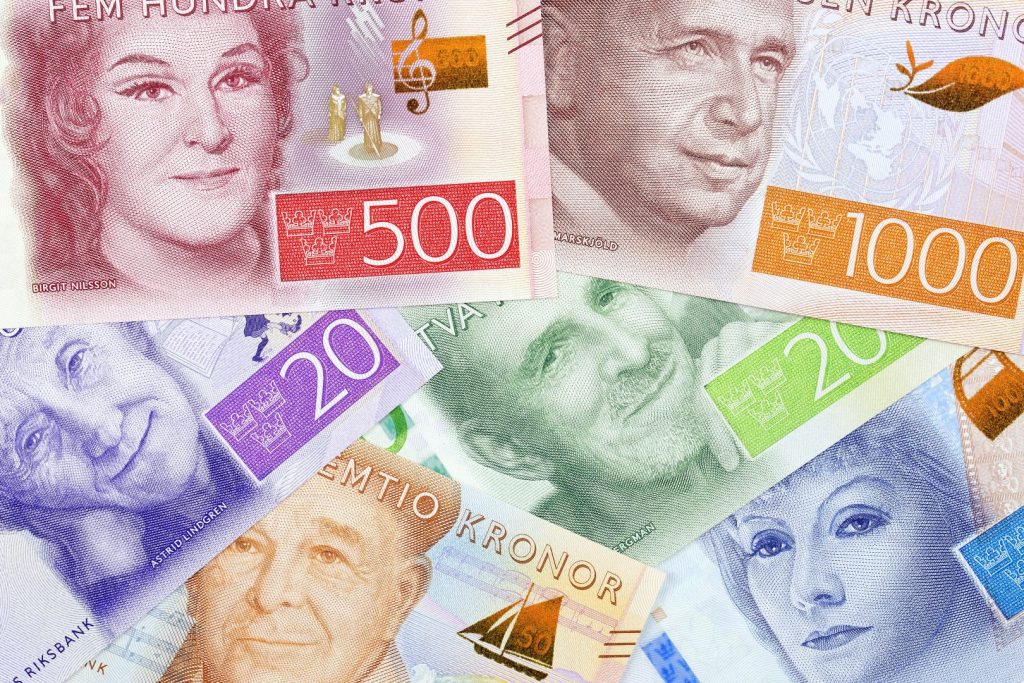
Swedish Krona (SEK)

Like its other Scandinavian neighbours, Sweden also uses a Krona. The first Swedish coins were minted in the 13th century but it wasn’t until 1873 that a decimal system was introduced, with 100 ore to the Krona. 

You can read more on our dedicated SEK currency profile.

Latest Blog Posts:

Upon the Threshold: US-China Relations amid the Election Season

Upon the Threshold: US-China Relations amid the Election Season

The US-China Trade Relationship at a Turning Point As the United States processes the result of one of the most important elections in recent history, the question of the state of trade with China stands at a particularly decisive and divisive juncture, one that could reshape and restructure the landscape…

Dollar Volatility and US Election

Dollar Volatility and US Election

Understanding Dollar Volatility amid the US Election Season Historically, the U.S. dollar has faced considerable fluctuations during election seasons, often impacting businesses and individuals involved in international transactions. Factors influencing the dollar’s value are numerous, including the policies of competing candidates, the evolution of economic data, and the varied responses…
An in-depth look at the Chinese Yuan (CNY)

An in-depth look at the Chinese Yuan (CNY)

In this week’s article, we’ll take look at the history, the production and the economy that sits behind the Chinese Yuan, a currency we deal with a lot here at Finseta. epSos.de, CC BY 2.0, via Wikimedia Commons A bit of history… China is an ancient country and as such…

1 9 10 11 12 13 33

Discover more from Finseta

Subscribe now to keep reading and get access to the full archive.

Continue reading

Sonny Hellmers

Senior currency specialist