

Kroner currencies around the world

Krone/Kroner/Krona is a Nordic translation of the Latin word ‘Corona’ which means Crown. This has been the name for multiple historic currencies in Scandinavia. 

Currently, DenmarkNorwaySweden and Iceland all use a form of this word as their currencies name. There is also a variation, Koruna, which is the name of the currency of the Czech Republic.

Below we’ll take a look at the five currencies who share the name Kroner.

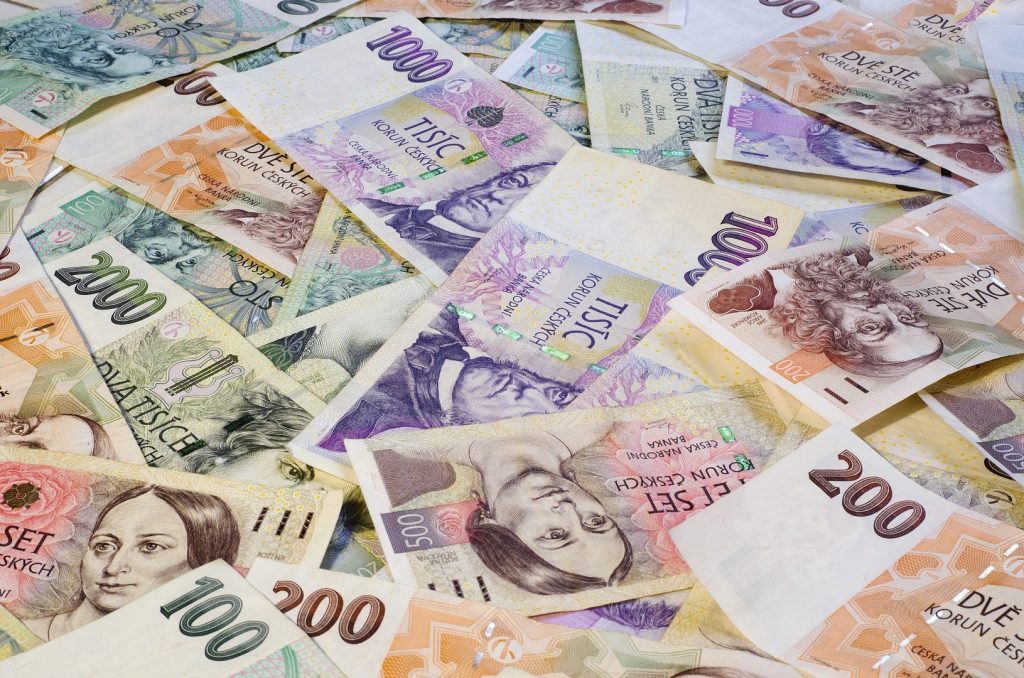
Czech Koruna (CZK)

The Koruna has been the name of multiple Czech currencies. The current iteration was introduced in 1994 following the dissolution of Czechoslovakia. The currency was originally named after the crowns worn by Bohemian kings.

You can read more on our dedicated CZK currency profile.

Danish Krone (DKK)

The Danish Krone is the official currency of Denmark, as well as the territories of Greenland and the Faroe Islands. The Krone was introduced in 1875, replacing the former Danish currency, the rigsdaler.

You can read more on our dedicated DKK currency profile.

Icelandic Króna (ISK)

For a long time, Iceland was a part of the Kingdom of Denmark. Therefore its currency was the Danish Krone. When Denmark took part in the Scandinavian Monetary Union, so did Iceland. 

The Scandinavian Monetary Union was dissolved at a similar time to the granting of Icelandic independence and therefore Iceland chose to introduce its own currency.

Krónur is the Icelandic variation of the Danish word Krone.

The currency was devalued in 1981, leading many academics to start referring to today’s currency as the ‘second Krónur.’ The currency is managed and issued by the ‘Seðlabanki Íslands’ or in English, the Central Bank of Iceland, which is based in the capital Reykjavik.

Norwegian Krone (NOK)

The Norwegian Krone was introduced in 1875, replacing the Norwegian speciedaler at a rate of four kroner to one speciedaler. Like many other Kroner currencies, it is subdivided into 100 ore.

You can read more on our dedicated NOK currency profile.

Swedish Krona (SEK)

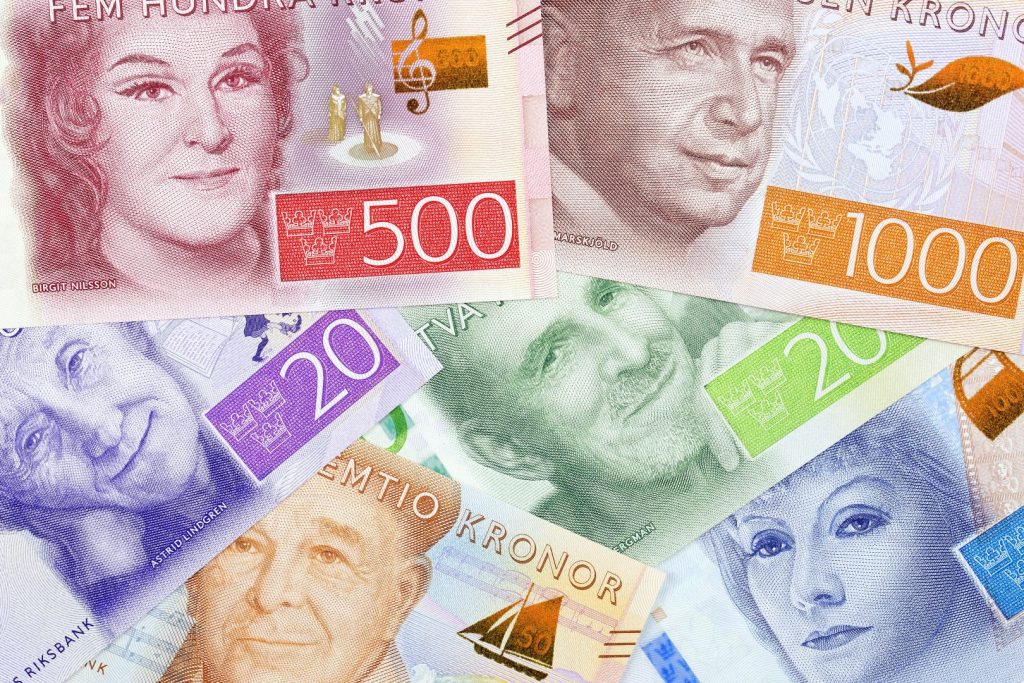
Like its other Scandinavian neighbours, Sweden also uses a Krona. The first Swedish coins were minted in the 13th century but it wasn’t until 1873 that a decimal system was introduced, with 100 ore to the Krona. 

You can read more on our dedicated SEK currency profile.

Latest Blog Posts:

Weekly Market Report 12th January 2026 

Weekly Market Report 12th January 2026 

🇬🇧 Rising Redundancies Add to Sterling’s Downside Risks Last week, Sterling weakened against both the Euro and the US Dollar. Although the currency stabilised into Friday’s close, it remains on track for a second consecutive weekly decline. Cable touched its weakest level since late December, briefly trading around the 1.34…

Weekly Market Report 5th January 2026 

Weekly Market Report 5th January 2026 

🇬🇧 GBP/EUR Breaks Key Resistance at Start of 2026 GBP/EUR has started 2026 on the front foot, breaking above key resistance to hit its highest level since October at 1.1490. The move marks a two-month high and follows a period of consolidation over the Christmas break, during which GBP/EUR struggled…

Weekly Market Report 15th December 2025 

Weekly Market Report 15th December 2025 

🇬🇧 GBP Sterling Under Pressure as Weak UK Data Dents Momentum Sterling slipped against both the Euro and the Dollar last week after a run of softer UK data. The economy contracted by 0.1% in October in the latest monthly GDP release, missing forecasts for a 0.1% expansion. On an…

1 7 8 9 10 11 33

Discover more from Finseta

Subscribe now to keep reading and get access to the full archive.

Continue reading

Sonny Hellmers

Senior currency specialist