
Kroner currencies around the world

Krone/Kroner/Krona is a Nordic translation of the Latin word ‘Corona’ which means Crown. This has been the name for multiple historic currencies in Scandinavia. 

Currently, DenmarkNorwaySweden and Iceland all use a form of this word as their currencies name. There is also a variation, Koruna, which is the name of the currency of the Czech Republic.

Below we’ll take a look at the five currencies who share the name Kroner.

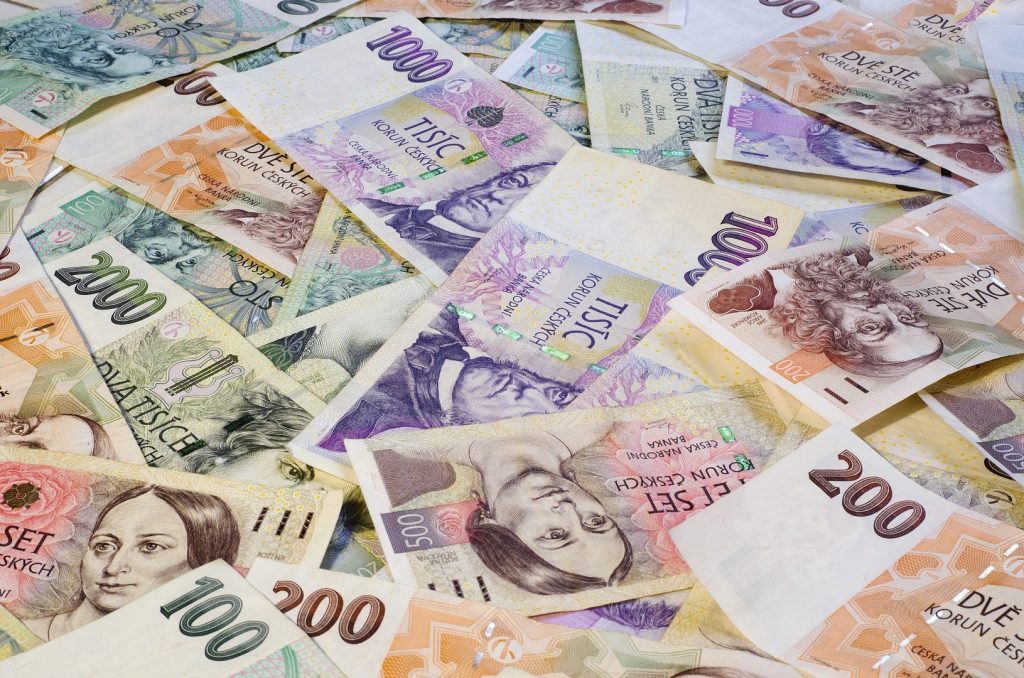
Czech Koruna (CZK)

The Koruna has been the name of multiple Czech currencies. The current iteration was introduced in 1994 following the dissolution of Czechoslovakia. The currency was originally named after the crowns worn by Bohemian kings.

You can read more on our dedicated CZK currency profile.

Danish Krone (DKK)

The Danish Krone is the official currency of Denmark, as well as the territories of Greenland and the Faroe Islands. The Krone was introduced in 1875, replacing the former Danish currency, the rigsdaler.

You can read more on our dedicated DKK currency profile.

Icelandic Króna (ISK)

For a long time, Iceland was a part of the Kingdom of Denmark. Therefore its currency was the Danish Krone. When Denmark took part in the Scandinavian Monetary Union, so did Iceland. 

The Scandinavian Monetary Union was dissolved at a similar time to the granting of Icelandic independence and therefore Iceland chose to introduce its own currency.

Krónur is the Icelandic variation of the Danish word Krone.

The currency was devalued in 1981, leading many academics to start referring to today’s currency as the ‘second Krónur.’ The currency is managed and issued by the ‘Seðlabanki Íslands’ or in English, the Central Bank of Iceland, which is based in the capital Reykjavik.

Norwegian Krone (NOK)

The Norwegian Krone was introduced in 1875, replacing the Norwegian speciedaler at a rate of four kroner to one speciedaler. Like many other Kroner currencies, it is subdivided into 100 ore.

You can read more on our dedicated NOK currency profile.

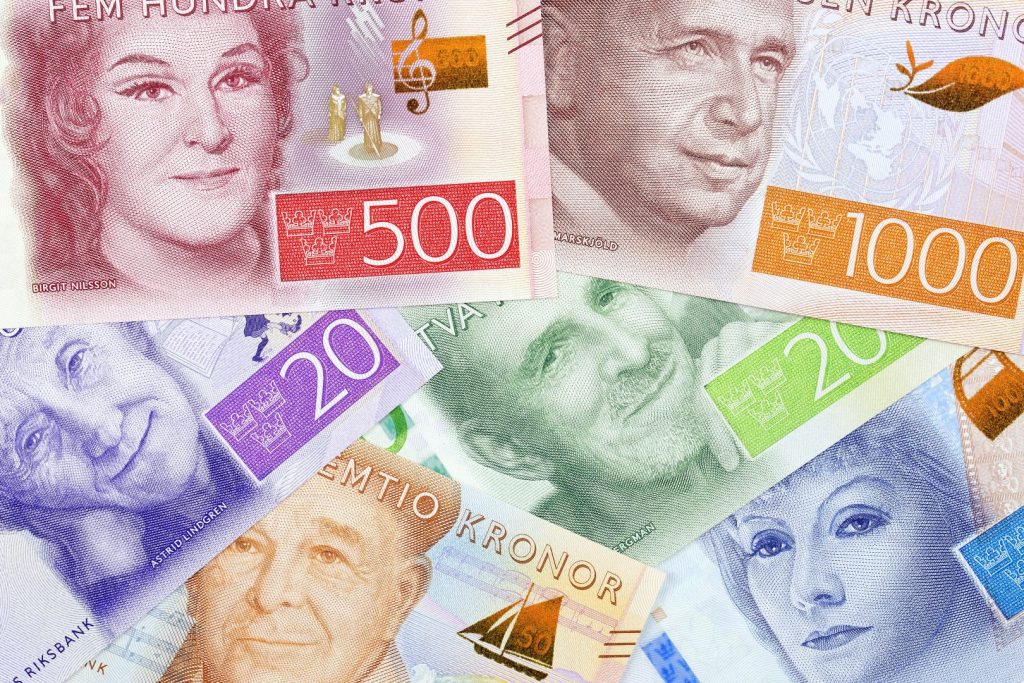
Swedish Krona (SEK)

Like its other Scandinavian neighbours, Sweden also uses a Krona. The first Swedish coins were minted in the 13th century but it wasn’t until 1873 that a decimal system was introduced, with 100 ore to the Krona. 

You can read more on our dedicated SEK currency profile.

Latest Blog Posts:

The world’s newest and oldest currencies

The world’s newest and oldest currencies

(Public Domain Image, University of Birmingham Library) c.800AD: Pound Sterling Pretty much for as long as there has been an England, there has been the Pound. Even before 1066 and William the Conquerer, the British Isles have been using some form of Pound. The Pound Sterling began back in the…

Bank of England Governor- Figurehead or Chief Executive?

Bank of England Governor- Figurehead or Chief Executive?

Current Governor: Andrew Bailey The Governor of the Bank of England is a pretty old role. It has been around since the bank was founded way back when. The first Governor Sir John Houblon was appointed in the year 1694 during the reign of King William III and Queen Mary II! It’s…

Currency Unions outside of Europe

Currency Unions outside of Europe

When you hear the term ‘Currency Union’ you probably think: Euro. Most people would. It’s by far the most high profile and successful monetary union. However what surprises many people is the fact that: a) it’s not the only one currently in existence and; b) it’s not the first one…

1 25 26 27 28 29 30

Discover more from Finseta

Subscribe now to keep reading and get access to the full archive.

Continue reading

Sonny Hellmers

Senior currency specialist