
Kroner currencies around the world

Krone/Kroner/Krona is a Nordic translation of the Latin word ‘Corona’ which means Crown. This has been the name for multiple historic currencies in Scandinavia. 

Currently, Denmark, Norway, Sweden and Iceland all use a form of this word as their currencies name. There is also a variation, Koruna, which is the name of the currency of the Czech Republic.

Below we’ll take a look at the five currencies who share the name Kroner.

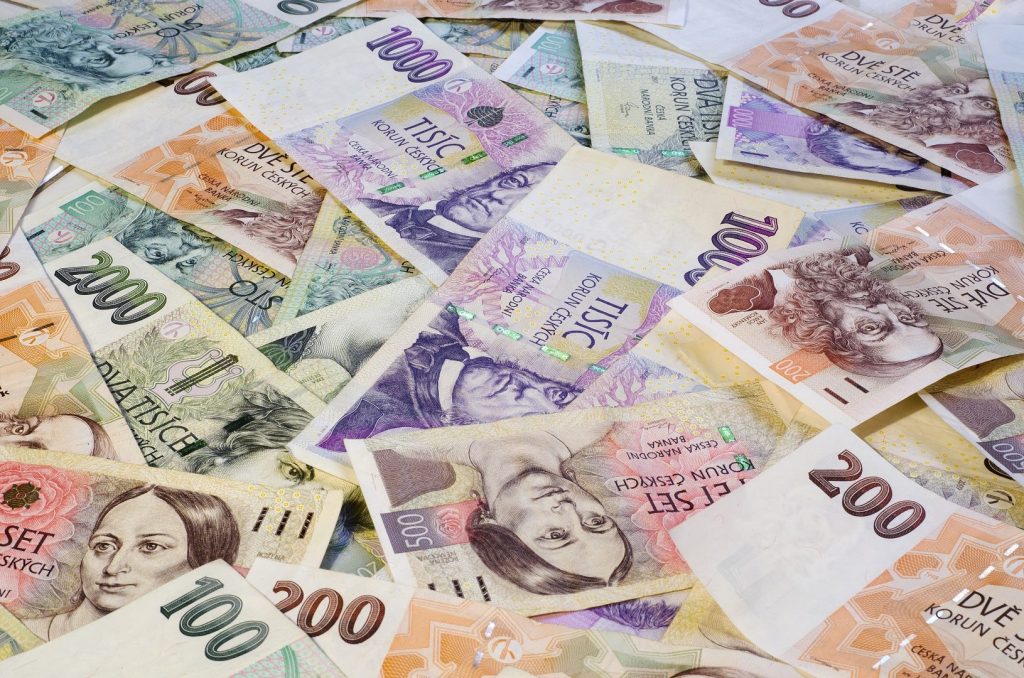
Czech Koruna (CZK)

The Koruna has been the name of multiple Czech currencies. The current iteration was introduced in 1994 following the dissolution of Czechoslovakia. The currency was originally named after the crowns worn by Bohemian kings.

You can read more on our dedicated CZK currency profile.

Danish Krone (DKK)

The Danish Krone is the official currency of Denmark, as well as the territories of Greenland and the Faroe Islands. The Krone was introduced in 1875, replacing the former Danish currency, the rigsdaler.

You can read more on our dedicated DKK currency profile.

Icelandic Króna (ISK)

For a long time, Iceland was a part of the Kingdom of Denmark. Therefore its currency was the Danish Krone. When Denmark took part in the Scandinavian Monetary Union, so did Iceland. 

The Scandinavian Monetary Union was dissolved at a similar time to the granting of Icelandic independence and therefore Iceland chose to introduce its own currency.

Krónur is the Icelandic variation of the Danish word Krone.

The currency was devalued in 1981, leading many academics to start referring to today’s currency as the ‘second Krónur.’ The currency is managed and issued by the ‘Seðlabanki Íslands’ or in English, the Central Bank of Iceland, which is based in the capital Reykjavik.

Norwegian Krone (NOK)

The Norwegian Krone was introduced in 1875, replacing the Norwegian speciedaler at a rate of four kroner to one speciedaler. Like many other Kroner currencies, it is subdivided into 100 ore.

You can read more on our dedicated NOK currency profile.

Swedish Krona (SEK)

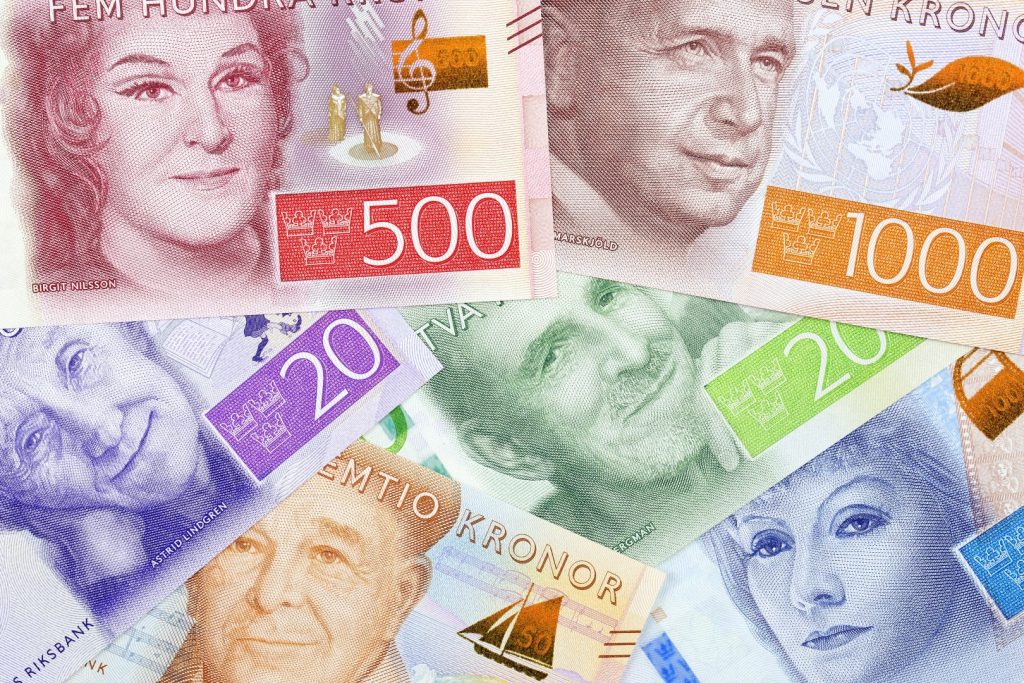
Like its other Scandinavian neighbours, Sweden also uses a Krona. The first Swedish coins were minted in the 13th century but it wasn’t until 1873 that a decimal system was introduced, with 100 ore to the Krona. 

You can read more on our dedicated SEK currency profile.

Latest Blog Posts:

EU Commission formally declares Croatia is ready for the Euro

EU Commission formally declares Croatia is ready for the Euro

The Commission of the European Union declared over the weekend that Croatia has formally met all the convergence criteria required to adopt the Euro. This means that the country in the eyes of the Commission the country has: 1) Low inflation rates, 2) No excessive government deficit3) Existing currency pegged…

Platinum Jubilee Special: The Queen’s portrait on the world’s currencies

Platinum Jubilee Special: The Queen’s portrait on the world’s currencies

In honour of the Queen’s Platinum Jubilee celebrations this week, we thought we’d take a look at which other countries (besides the UK) feature portraits of Her Majesty the Queen on their currency, both coins and banknotes. To begin with let’s remind ourselves of the countries where the Queen is…

The new Australian Government and the AUD

The new Australian Government and the AUD

On Saturday, Australians went to the polls and for the first time 10 years changed their Government. On Sunday then PM and Liberal Party leader Scott Morrison acknowledged defeat and on Monday the Labor leader Anthony Albanese was sworn into office as Australia’s new Prime Minister. He pretty much straight…

1 … 27 28 29 30 31 … 33

Discover more from Finseta

Subscribe now to keep reading and get access to the full archive.

Continue reading

Sonny Hellmers

Senior currency specialist